Review: Wine Bottle Machine Embroidery for Real Projects
As a designer who spends more time staring at stitch previews than actual fabric, I have learned to be skeptical of generic motifs. We all know the market is flooded with clip-art-style digitizing that looks fine on a screen but turns into a tangled mess under the needle. However, when I pulled up the Wine Bottle Machine Embroidery file for a recent client project, my initial reaction was one of cautious optimism. The silhouette was clean, and the filled areas promised a solid presence without looking like a heavy plastic patch.
I was tasked with creating a line of personalized gifts for a local boutique specializing in home goods and casual apparel. The client wanted something sophisticated yet approachable—a design that could live comfortably on a canvas tote bag, a kitchen towel, or even a structured cap. This is where the Wine Bottle Machine Embroidery needed to prove its worth not just as a graphic, but as a functional machine embroidery design capable of withstanding real-world use.
First Impressions and Visual Personality
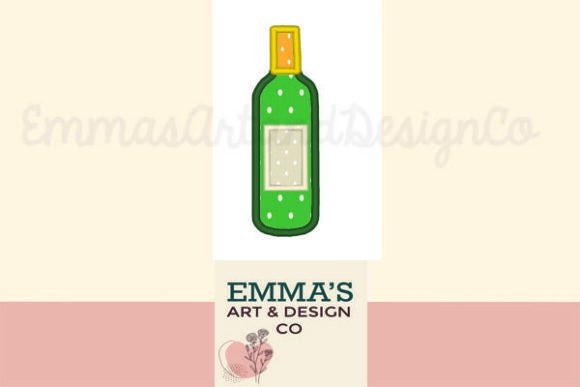
The first thing I noticed was the balance between detail and simplicity. Many wine-themed designs rely heavily on tiny text or intricate grape clusters that simply do not translate well to thread. This design, however, focuses on the iconic shape of the bottle. It uses a combination of fill stitch for the body and likely satin stitch or dense running stitches for the label and neck details. This approach creates a modern, minimalist aesthetic that fits perfectly into current trends for handmade products.
The mood it creates is relaxed and celebratory. It does not scream "party" in a chaotic way; rather, it suggests a quiet evening or a thoughtful gift. For an Etsy seller or small shop owner, this versatility is crucial. You are not limiting yourself to one niche. This embroidery file can bridge the gap between rustic farmhouse decor and modern chic apparel.
Real-World Application: The Tote Bag Test
To test the design’s viability, I decided to stitch it onto a medium-weight canvas tote bag. This is a staple product for any craft business, and it presents specific challenges regarding fabric texture and stability. Canvas has a visible weave, which can sometimes cause small details to get lost or look jagged.
I hooped the fabric with a sturdy cut-away stabilizer to prevent puckering, a common issue with filled designs on flexible materials. As the machine ran, I watched the needle work. The stitch density appeared well-calibrated. It was dense enough to cover the canvas weave completely, ensuring the white or light-colored threads of the label stood out against the natural tan background, but not so dense that it caused the fabric to pull or distort significantly. The resulting finished product looked professional. The edges were crisp, and the overall shape remained true to the digital preview.
This success suggests that the Wine Bottle Machine Embroidery is equally suitable for other sturdy items like aprons, pillow covers, and heavy cotton sweatshirts. For custom apparel, such as a crewneck sweatshirt, the design offers a substantial visual weight that holds its own against the bulk of the garment. It does not look like an afterthought; it looks like an intentional brand element.
Navigating Fabric and Hoop Constraints
While the design performed well on canvas, I would advise caution when applying it to more challenging surfaces. For instance, if you plan to use this on a curved surface like a baseball cap, you must consider the hoop size and the stiffness of the material. Caps require precise placement, and the height of the bottle design might interfere with the brim if not positioned carefully. Always measure your available stitching area before committing to a cap project.
Similarly, thin or stretchy fabrics present risks. If you are attempting baby embroidery on a onesie, the fill stitches might feel too stiff or heavy against delicate skin. In such cases, I recommend testing on scrap fabric first. You might find that reducing the density slightly, if your software allows, or using a softer stabilizer improves the hand-feel of the personalized gift. For dark fabrics, ensure you have high-contrast thread colors. A dark green bottle on a navy shirt will vanish, whereas a cream or gold thread would pop beautifully.
Commercial Value and Brand Consistency
For those of us selling digital embroidery files or finished goods, consistency is key to building customer trust. A sloppy stitch-out can damage a brand’s reputation faster than poor customer service. This design’s professional digitization supports brand consistency. Whether used in a printable mockup for an online listing or stitched into a physical small shop product, it maintains its integrity.
The visual appeal of the Wine Bottle Machine Embroidery lies in its clarity. Customers can instantly recognize the subject, which aids in buyer engagement. It is not abstract; it is literal yet stylish. This makes it an excellent choice for holiday embroidery projects, such as hostess gifts for Thanksgiving or Christmas, where wine is a common offering. It elevates the perceived value of the item, making a simple tea towel feel like a boutique purchase.
Practical Designer Notes
Before you rush to list this in your store or stitch it for a client, keep these practical tips in mind:
- Test on Scrap Fabric: Always run a test stitch on the same type of fabric you intend to use for the final product. Check for puckering and thread breaks.
- Check Thread Contrast: View your design in black and white on your screen. If the details disappear in grayscale, they will likely get lost in low-contrast thread combinations.
- Verify Licensing: While this design is professionally digitized, always confirm the license terms. Ensure you are allowed to sell finished items made with this design asset if you are running a commercial operation.
- Inspect Small Details: Zoom in on the label area of the design. If there is tiny text, ensure it is legible at your intended stitch size. If not, consider omitting it or enlarging the design.
- Stabilizer Selection: Match your stabilizer to your fabric. Use cut-away for knits and stretchy materials, and tear-away for stable wovens like cotton or linen.
In conclusion, the Wine Bottle Machine Embroidery is a robust addition to any designer’s library. It balances aesthetic appeal with technical reliability, making it a safe bet for both novice hobbyists and seasoned commercial embroidery professionals. By respecting the limitations of your materials and preparing properly, you can create stunning, high-value items that customers will love to give and receive.