Corn Machine Embroidery: A Designer’s Practical Review
When I first loaded the Corn Machine Embroidery file into my digitizing software, I wasn’t just looking at a seasonal icon; I was evaluating a potential asset for my upcoming autumn collection. As designers and crafters, we know that not every digital embroidery file translates well to fabric. Some look crisp on screen but turn into messy thread nests on the hoop. After putting this design through its paces on various fabrics and hoop sizes, I have formed a clear opinion on where it fits best in a professional workflow.
First Impressions and Visual Personality
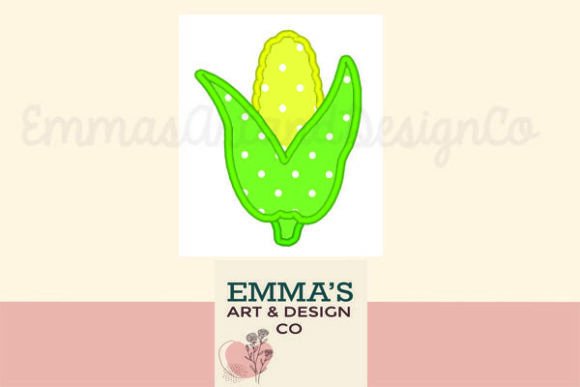
The immediate mood of this design is warm, rustic, and inviting. It captures the essence of harvest without relying on clichéd, overly complex details that often cause stitching issues. The shape is balanced, with a layout that feels organic rather than rigid. For a Thanksgiving themed project, this is crucial. You want something that feels homey, not corporate.
What stands out is the balance between detail and simplicity. The design uses filled areas effectively, suggesting a professional digitization approach aimed at smooth stitching. Visually, it has a strong personality that works well for both modern farmhouse aesthetics and traditional holiday decor. It doesn’t scream for attention; instead, it offers a subtle, high-quality accent that elevates the base item.
Real-World Application: The Tote Bag Test
To truly judge a machine embroidery design, you have to stitch it. I decided to test this on a heavy canvas tote bag, a popular item for small shop products and Etsy sellers. The goal was to create a reusable grocery bag that felt premium enough to be a personalized gift.
Using a medium-weight cut stabilizer, I hooped the canvas and ran the design. The result was impressive. The fill stitches laid flat, avoiding the puckering that often plagues dense designs on flexible fabrics. The corn motif sat nicely on the textured surface, proving that this embroidery file handles fabric texture with grace. For a craft business owner, this reliability is gold. It means fewer ruined blanks and higher customer trust when they receive their finished product.
Versatility Across Product Lines
Beyond tote bags, I see this design performing exceptionally well in several other categories:
- Sweatshirt Embroidery: Placed on the left chest or sleeve, it adds a subtle seasonal touch to custom apparel without overwhelming the garment.
- Kitchen Textiles: On tea towels or aprons, the theme aligns perfectly with holiday hosting needs. The design holds up well to washing if proper stabilizer is used.
- Embroidered Patches: Because of its defined edges, this works beautifully as an iron-on or sew-on patch, allowing makers to create versatile design assets for boutique branding.
- Baby Embroidery: With softer thread colors and a smaller hoop size, it can be adapted for nursery decor or baby blankets, offering a gentle, natural aesthetic.
Technical Considerations for Designers
While the design is professionally digitized for clean results, there are practical limits to consider. No single digital embroidery file is universal. Here is what you need to watch out for during your production process.
Stitch Density and Fabric Choice: This is a filled design, which means it has a higher stitch count than a simple running stitch outline. On thin or stretchy fabric, this density can cause pulling. Always use a appropriate stabilizer. For knit fabrics like t-shirts, a tear-away backed with fusible web is recommended to prevent distortion. On dark fabric, ensure your thread colors have enough contrast. A bright yellow or orange thread will pop, but muted tones might get lost if the stitch direction doesn’t catch the light correctly.
Hoop Size and Placement: Before committing to a large run, check the dimensions against your available hoop size. While it fits standard hoops, placing it on curved surfaces like caps requires careful hooping technique. The design’s width should be centered to avoid hitting the cap’s seam or brim. For small hoop sizes, ensure the smallest details remain visible. If the design is scaled down too much, the fill stitches may merge, losing definition.
Thread Color Strategy: The visual appeal relies heavily on thread choice. I recommend testing a monochrome version first to check for clarity. Then, experiment with variegated threads to add depth to the corn kernels. However, be cautious with variegated threads in small areas, as the color changes might not align perfectly with the design’s contours.
Commercial Viability and Brand Consistency
For Etsy sellers and handmade shop owners, the question isn’t just "does it stitch well?" but "will it sell?" This Corn Machine Embroidery design has strong commercial potential because it taps into the evergreen market for holiday gifts and home décor. It feels authentic, which builds buyer engagement.
When creating printable mockups or digital product previews, this design photographs well. The texture of the stitches adds a tactile quality that flat graphics lack. This helps in conveying the value of a handmade product. Whether you are selling the finished item or using it as part of a larger composite design, it maintains brand consistency by offering a polished, professional look.
However, always confirm licensing before selling. While many files allow for commercial use of finished items, some restrict the resale of the digital embroidery file itself. Check the specific terms provided with your purchase to ensure you are compliant, especially if you are a digital product seller.
Final Verdict for Makers
In the world of commercial embroidery and craft business, reliability is key. This design delivers on its promise of smooth stitching and clean results. It is versatile enough for personal projects yet robust enough for small batch production.
My advice is to start with a test stitch on scrap fabric similar to your final material. Check the tension, inspect the small details, and ensure the backing is trimmed cleanly. Once you dial in the settings, this design becomes a reliable tool in your arsenal. It transforms simple blanks into cherished personalized gifts and profitable small shop products. For anyone looking to add a touch of autumn warmth to their portfolio, this is a solid, professional choice.