Gravy Boat Machine Embroidery: A Designer’s Review
When I first pulled up the Gravy Boat Machine Embroidery file on my digitizing screen, I wasn’t just looking for a cute icon. I was looking for structural integrity. As someone who has spent years troubleshooting puckered seams and broken needles for clients, I know that a design’s aesthetic appeal means nothing if it doesn’t stitch out cleanly on real-world fabrics. This particular design caught my eye not because it was flashy, but because of its balanced silhouette and professional finish. It promises to be a versatile asset for anyone in the craft business looking to add a touch of culinary charm to their inventory.
First Impressions and Visual Personality
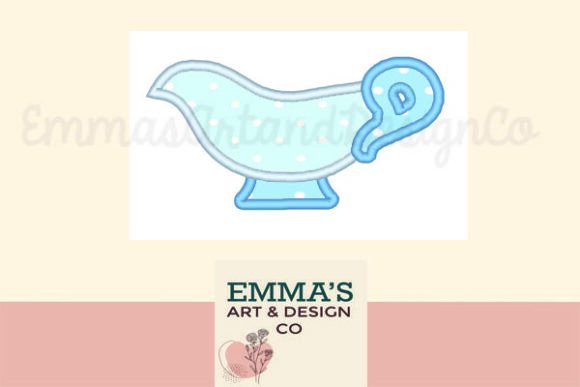
The immediate mood this design creates is one of warmth and hospitality. It feels homey without being cluttered. The shape is recognizable instantly, which is crucial for small-scale embroidery projects where detail can get lost. The layout suggests a thoughtful approach to stitch density, avoiding the heavy, cardboard-like feel that plagues many amateur digitized files. For an Etsy seller or boutique owner, this visual personality translates well into products that evoke comfort—think kitchen linens, holiday gifts, or personalized aprons.
What stands out is the potential for clean results. The description notes it is professionally digitized for smooth stitching, and visually, the transition between areas looks logical. There are no obvious jagged edges or unnecessary jump stitches that would require excessive trimming. This level of polish is what separates a hobbyist’s experiment from a viable commercial embroidery asset.
Real-World Application: The Tote Bag Test
To truly evaluate a machine embroidery design, you have to imagine it on a product. I recently worked on a custom order for a local farmer’s market vendor who wanted branded tote bag designs. While the gravy boat isn’t a logo, it fits perfectly into a "home cook" or "foodie" niche. Imagine this design stitched onto a natural canvas tote. The filled areas would provide solid coverage against the textured fabric, making the image pop without requiring a complex underlay strategy.
Beyond totes, this design shines in custom apparel. Picture it on the left chest of a high-quality cotton apron or as a pocket accent on a chef’s jacket. It also works beautifully for holiday embroidery projects, such as Thanksgiving-themed tea towels or Christmas kitchen decor. The versatility mentioned in the product description holds up when you consider how easily it adapts to different color palettes. A classic brown thread for a traditional look, or vibrant colors for a modern, playful twist on a personalized gift.
Performance on Different Fabrics and Hoops
One of the biggest challenges in Embroidery is adapting a single file to multiple substrates. This design appears robust enough for medium-weight fabrics like cotton twill, denim, and canvas. However, caution is needed when moving to trickier materials. If you plan to use this on a stretchy sweatshirt for sweatshirt embroidery, you must use a cut-away stabilizer to prevent distortion. The fill areas, while smooth, will pull slightly on knit fabrics if not properly supported.
For baby embroidery items, such as bibs or onesies, the size of the hoop becomes critical. You need to ensure the design fits within a 4x4 or 5x7 hoop without scaling it down so much that the details merge. Always check the minimum recommended size before stitching on small garments. On textured fabrics like terry cloth towels, the design’s solid fills will help bridge the gaps in the fabric texture, ensuring the image remains legible.
Dark fabrics present another consideration. If you are stitching this on a navy or black garment, you may need to adjust your thread colors for contrast or use a lighter underlay to prevent the background fabric from showing through the stitches. Testing on scrap fabric is non-negotiable here. What looks good on screen can disappear on dark fleece if the digitizing doesn’t account for fabric show-through.
Commercial Viability and Brand Consistency
For small shop owners, consistency is key to building trust. A sloppy stitch-out can damage your brand reputation faster than a late shipment. This digital embroidery file seems designed to minimize those risks. The clean lines contribute to a professional presentation, which increases the perceived value of the finished product. Customers are more likely to pay a premium for items that look meticulously crafted.
When creating printable mockups for your online store, this design offers clear boundaries that render well in digital previews. This helps buyers visualize the final item, boosting conversion rates. Whether you are selling physical handmade products or offering customization services, having reliable design assets like this allows you to scale your offerings without constant quality control issues.
Practical Designer Notes and Precautions
Before you commit to a large production run, keep these practical tips in mind:
- Test on Scrap Fabric: Always stitch a sample on the exact material you plan to use. Check for puckering, thread breaks, or registration issues.
- Check Stabilizer Compatibility: Use tear-away for stable woven fabrics and cut-away for knits or stretchy materials. The right stabilizer is half the battle in achieving clean results.
- Review Stitch Density: While the design is described as smooth, dense fill areas can be stiff. If stitching on a garment that needs to drape softly, consider adjusting the density settings in your software if you have the expertise, or choose lighter fabrics carefully.
- Confirm Licensing: Before selling items made with this embroidery file, verify the license terms. Ensure you have the rights to use it for commercial purposes, especially if you are an Etsy seller or running a boutique.
- Thread Color Contrast: Plan your thread palette ahead of time. High contrast makes the design stand out, while monochromatic schemes offer a subtle, elegant look.
Additionally, be mindful of curved surfaces. If you are applying this to a cap or a rounded pillow cover, the center of the design may distort. Use a floating technique or appropriate hooping methods to keep the fabric taut and flat during stitching. Avoid placing the design too close to seams or zippers, as this can cause needle deflection and ruined designs.
Final Verdict
The Gravy Boat Machine Embroidery design is a solid addition to any designer’s library. It balances aesthetic charm with technical reliability, making it suitable for a wide range of applications from embroidered patches to home décor. It respects the limitations of the medium while maximizing visual impact. For those looking to expand their small shop product line with high-quality, thematic elements, this file delivers on its promise of professional, smooth stitching. Just remember to respect the fabric, choose the right stabilizer, and always test before you sell.