Cranberry Machine Embroidery: A Designer’s Review
As an experienced embroidery designer who has spent countless weekends behind a craft fair table, I know that not every design translates well from screen to fabric. When I first loaded the Cranberry Machine Embroidery file into my software, I was looking for more than just aesthetic appeal. I was evaluating its potential as a high-converting craft fair product. In the competitive world of handmade goods, especially within the Food and Embroidery niches, visual impact and production efficiency are everything.
First Impressions and Market Appeal
The initial view of this design suggests a blend of rustic charm and modern simplicity. The title implies a focus on nature-inspired motifs, which are perennial bestsellers in the handmade market. For a seller targeting the fall and winter seasons, or even year-round kitchen décor enthusiasts, this motif hits the right emotional notes. It feels warm, inviting, and slightly festive without being overly holiday-specific, which extends its shelf life in your inventory.
From a branding perspective, this design supports a cohesive look for small shop products. Whether you are aiming for a farmhouse aesthetic or a clean, minimalist boutique vibe, the cranberry motif serves as a versatile anchor. It is bold enough to catch the eye of a passerby at a busy market but refined enough to look premium on higher-end items.
Product Versatility and Application
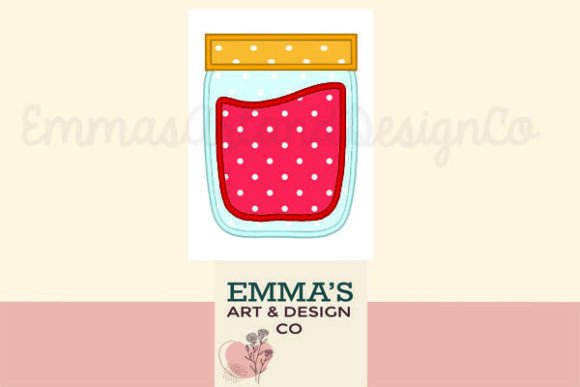
The description notes that this is a filled embroidery design, professionally digitized for smooth stitching. This is crucial for versatility. Here is how I envision this design performing across various popular items:
- Tote Bag Design: Placed centrally on a canvas tote, this becomes an instant bestseller. Shoppers love functional art. The filled nature of the design ensures it stands out against the coarse weave of canvas.
- Apron Embroidery: A small cluster on the bib or a larger arrangement on the pocket adds significant value to a plain linen apron. It transforms a basic utility item into a giftable handmade product.
- Tea Towel Embroidery: This is where caution is needed. Tea towels have a loose weave. You must ensure the digitizing accounts for the fabric texture to prevent puckering or sinking stitches.
- Embroidered Patch: If the design scales down well, it makes an excellent iron-on or sew-on patch. Patches are low-cost, high-margin items that appeal to younger demographics and Cricut crafters.
- Caps and Hats: Curved surfaces are tricky. If the design is too wide, it may distort on the front panel of a cap. Test this thoroughly before committing to batch production.
Production Efficiency for Sellers
For Etsy sellers and boutique makers, time is money. A design that stitches cleanly reduces the risk of thread breaks and re-hoops. The promise of "smooth stitching" in the product description is a key selling point for the producer, not just the buyer. When preparing for a weekend craft fair, you need reliability. You cannot afford to spend twenty minutes trimming jump threads on every single item.
Consider the stitch density. Filled designs can be dense. If the density is too high, it may cause perforation in lightweight fabrics like cotton voile or thin linen. Conversely, if it is too light, the backing might show through on dark fabrics. Always run a test stitch on scrap fabric similar to your final product material. This step is non-negotiable for maintaining quality control.
Visual Impact and Photography
In the digital age, your online presence is just as important as your physical booth. This design needs to photograph well. Filled areas reflect light differently than satin stitches. Ensure you use matte threads if you want a soft, rustic look, or rayon threads for a vibrant, shiny finish that pops in printable mockup images. High-contrast thread colors will make the design readable in thumbnail images on Etsy, driving more clicks to your listing.
When creating design assets for your shop, use this embroidery file to create lifestyle shots. Show the cranberry design on a mug cozy next to a cup of tea, or on a market bag filled with fresh produce. Context sells the dream, not just the stitch.
Technical Considerations and Careful Use
While the design is described as versatile, there are technical limits to respect. Here are critical points to check before launching your commercial embroidery line:
- Hoop Size: The description does not specify exact dimensions. Check the file details to confirm the required hoop size. Ensure it fits within your machine’s maximum area without requiring complex re-hooping techniques.
- Stabilizer Selection: For filled designs on stretchy fabrics like t-shirts or knit pouches, a cut-away stabilizer is often necessary to prevent distortion. For woven fabrics like tote bags, a tear-away may suffice, but test for stability.
- Lettering and Details: If the design includes tiny elements, verify they do not get lost in the fill. Small details can become bulky or indistinct if the stitch count is too high for the scale.
- Fabric Texture: Textured towels or thick denim may require a topping stabilizer to keep the stitches sitting on top of the fibers rather than sinking in.
Maximizing Sales Potential
To truly leverage this Cranberry Machine Embroidery design, think about bundling. Create a set of matching items: a tea towel, an oven mitt, and an apron. Bundles increase average order value and make gifting easier for customers. Additionally, consider offering personalization. Adding a monogram below the cranberry motif can turn a standard item into a bespoke keepsake, justifying a higher price point.
Remember, as a digital embroidery file user, you must confirm the licensing terms. Most designers allow commercial use for finished physical products, but restrictions may apply to sharing the digital file itself. Always read the license included with your purchase to protect your business.
In conclusion, this design offers strong potential for craft fair success. It balances aesthetic appeal with practical application. By testing on various fabrics, optimizing your photography, and understanding the technical requirements of filled stitching, you can create a standout collection that resonates with buyers looking for quality, handmade charm. Focus on the tactile experience of the finished product, and let the crisp, clean lines of the cranberry motif do the talking.