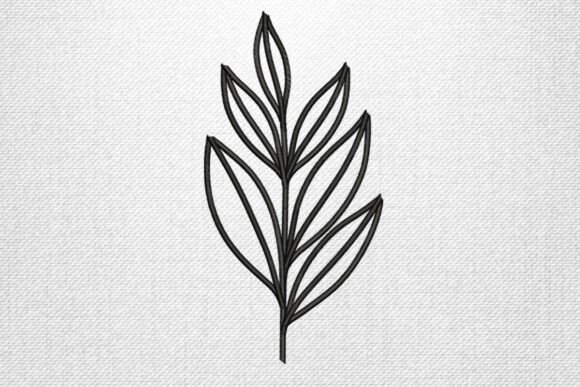
Reviewing Minimal Leaf Embroidery for Boutique Sweatshirts
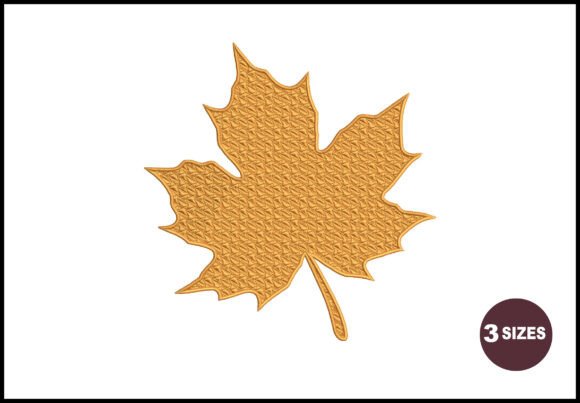
As an embroidery designer who has spent years refining digitizing techniques for small clothing brands, I approach every new machine embroidery design with a critical eye. It is not just about whether the file runs smoothly on the machine; it is about how the final stitched product elevates the brand identity. Recently, I evaluated the Minimal Leaf Embroidery Design for an upcoming limited sweatshirt drop for a boutique client. This piece falls under the Outline Flowers category, and its simplicity promised a modern aesthetic that many contemporary Etsy sellers and apparel decorators are currently seeking.
First Impressions and Aesthetic Mood
The immediate impression of the Minimal Leaf Embroidery Design is one of understated elegance. In a market saturated with overly complex, dense patterns, this design offers a breath of fresh air. The layout is clean, relying on negative space to define the shape rather than heavy fill stitches. This approach gives the design a distinct personality: it feels premium, casual, and distinctly minimal. It does not scream for attention but rather invites a closer look, which is exactly the vibe required for high-end cozy seasonal apparel.
When reviewing the stitching personality, I noticed the lines are crisp and deliberate. For a project categorized as Embroidery within the outline style, the balance between structural integrity and visual lightness is crucial. This design achieves that balance, making it suitable for a wide range of applications beyond just garments, such as tote bags and pillow covers, as noted in the product description. However, my focus remained on its potential for wearable art.
Application on Premium Sweatshirts and Hoodies
For the boutique project, we selected heavyweight, neutral-toned sweatshirts. The Minimal Leaf Embroidery Design performs exceptionally well on these fabrics. On neutral shades like oatmeal, sage, or charcoal, the design acts as a subtle textural element rather than a loud graphic. The thread colors chosen were slightly tonal to the fabric, creating a sophisticated, monochromatic look that appeals to buyers seeking quiet luxury.
We also tested the design on dark fabric and pastel colors. On black or navy hoodies, using a contrasting thread like cream or soft gold made the leaf pop without losing its delicate nature. On pastels, such as blush or baby blue, the design maintained its readability, proving its versatility. Whether placed as a small chest accent on an oversized hoodie or as a larger statement on the back, the design scales well. It feels feminine yet rustic, playful yet decorative, depending entirely on the thread choice and placement.
Placement Strategies for Brand Identity
Strategic placement is key to maximizing the impact of a hoodie design. For this collection, we utilized the left chest area for a classic, professional look. This placement is ideal for custom apparel branding as it mimics the positioning of traditional logos, enhancing brand recognition. We also experimented with sleeve accents, placing a smaller version of the leaf near the cuff. This detail adds a unique touch that customers notice when they roll up their sleeves, increasing the perceived value of the handmade product.
For lifestyle product photography, the minimal nature of the design allows the texture of the sweatshirt to shine through. It does not overwhelm the image, making it easier to create clean, appealing printable mockup previews for online listings. This is vital for small shop product visibility, where clear visuals drive customer engagement.
Technical Considerations for Production
From a technical standpoint, there are several factors to consider before running this digital embroidery file on production machines. While the design is simple, simplicity often demands precision. One must pay close attention to stitch density. If the density is too low, the fabric may show through the outlines, ruining the clean look. If it is too high, the fabric may pucker, especially on thinner materials.
Fabric texture plays a significant role here. Heavyweight fleece or French terry, common in premium sweatshirts, requires a sturdy stabilizer. I recommend using a cut-away stabilizer for durability, ensuring the design withstands repeated washing without distortion. The hoop size should be chosen carefully to accommodate the design while allowing enough margin for proper hooping tension. Since the design features fine lines, ensuring the fabric is drum-tight in the hoop is non-negotiable for crisp results.
Another concern is small-size readability. If scaling down for smaller items like tote bags or children’s apparel, test stitches are essential. The outlines must remain distinct and not merge into a blob. For commercial use, the design must hold up under stress. The Minimal Leaf Embroidery Design appears robust enough for commercial embroidery provided the correct needle and thread combinations are used. Always check the specific file details for recommended needle sizes and thread types, as these are not always explicitly stated in general descriptions.
Enhancing Value and Customer Trust
Incorporating a well-executed embroidery design like this can significantly affect product value. Customers associate embroidery with quality and longevity, unlike printed graphics that may crack or fade. By using the Minimal Leaf Embroidery Design, a boutique brand signals attention to detail and craftsmanship. This builds buyer trust and encourages repeat business.
Furthermore, consistent use of such design assets helps establish a cohesive visual identity. When customers see the same elegant leaf motif across different products—sweatshirts, jackets, and even home linens—it creates a sense of brand familiarity. This visual recognition is powerful for Etsy sellers and independent designers looking to stand out in a crowded marketplace. The design serves not just as decoration, but as a signature element of the brand’s story.
Final Verdict for Creative Entrepreneurs
The Minimal Leaf Embroidery Design is a versatile and stylish addition to any designer’s library. It bridges the gap between casual comfort and refined aesthetics, making it perfect for modern custom apparel projects. Whether you are creating a cozy winter collection or spring-ready lightweight jackets, this design adapts seamlessly. Remember to verify all technical specifications, such as file formats and license terms, before starting production. With careful attention to thread selection and stabilizer choice, this design can elevate your finished product from ordinary to exceptional, driving both sales and brand loyalty.