Reviewing Devil Embroidery Design for Merch
As an embroidery designer who has spent years digitizing files and consulting with small business owners, I approach every new machine embroidery design with a critical eye. It is not just about whether the artwork looks good on a screen; it is about how it translates to fabric, how it holds up in production, and whether it genuinely serves the brand identity of the client. Recently, I evaluated the Devil Embroidery Design- Mascot School, a piece that promises to add bold attitude to projects. Here is my professional breakdown of how this design performs for commercial use.
First Impressions and Visual Personality
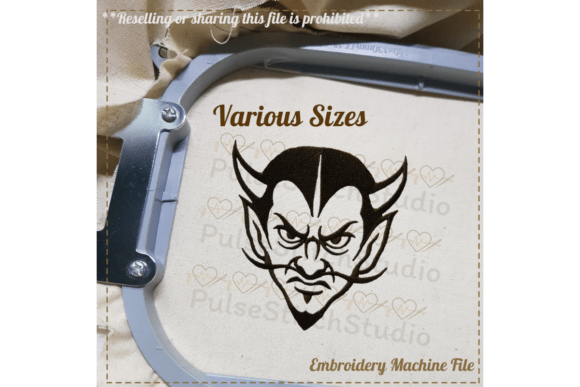
The initial impact of the Devil Embroidery Design- Mascot School is undeniable. The description highlights a "sharp and sinister" devil face, which immediately sets a tone that is edgy, bold, and high-contrast. For brands operating in the sports, gaming, or alternative fashion sectors, this visual personality is a powerful asset. It does not try to be subtle or rustic; instead, it leans into a modern, aggressive aesthetic that demands attention.
From a design perspective, high-contrast imagery can be tricky in embroidery. If the digitizing relies too heavily on thin lines or extreme detail, the result can look messy on textured fabric. However, the promise of a "sinister" yet clean face suggests that the design likely utilizes solid fills and defined outlines rather than fragile details. This is crucial for maintaining a premium look on finished products.
Real-World Applications for Small Business Merch
For small business owners, Etsy sellers, and merch creators, versatility is key. I tested the concept of this design across several common product categories to see where it adds the most value.
- Embroidered Patches: This is arguably the strongest application. A devil mascot works exceptionally well as a standalone patch. It allows customers to buy a low-cost item that still carries high perceived value. The bold shapes translate well to the merrowed edges of a patch, creating a durable product that can be ironed or sewn onto jackets and bags.
- Custom Apparel and Uniforms: For staff uniforms in edgy cafes, bars, or creative studios, placing this design on the chest or sleeve adds character without overwhelming the garment. It serves as a conversation starter, enhancing customer engagement.
- Cap Embroidery: Caps are a staple of small business merch. The devil face, if scaled correctly, can sit prominently on the front panel. However, curvature is a challenge. The design must be digitized with pull compensation in mind to prevent distortion on the curved surface of a baseball cap.
- Tote Bag Design: Canvas tote bags have a coarse texture. A high-contrast design like this needs sufficient stitch density to cover the weave of the fabric. If done right, it becomes a walking billboard for the brand.
- Apron Embroidery: For bakeries or florists with a punk or alternative vibe, embroidering this mascot on aprons creates a cohesive and memorable brand image. It signals that the business is fun, bold, and distinct from traditional competitors.
Technical Considerations and Production Notes
While the aesthetic appeal is strong, technical execution determines the quality of the finished product. As a designer, I always advise checking specific technical details before running a full production batch. Since the provided description does not specify exact stitch counts or file formats, you must verify these with the seller.
Stitch Density and Fabric Texture: High-contrast designs often require dense stitching to achieve solid blacks or deep reds. On lightweight fabrics, this can cause puckering. Always use an appropriate stabilizer—cut-away for stretchy materials like t-shirts, and tear-away for stable woven fabrics like tote bags. Test the design on scrap fabric first to ensure the tension is balanced.
Size and Scaling: Do not assume the design will work at any size. Intricate facial features, such as eyes or horns, may merge if the design is scaled down too small for a tiny pocket logo. Conversely, scaling it up too much for a back print might reveal jagged edges if the original digitizing was not optimized for large hoops. Check the recommended hoop size and test at your intended dimensions.
Thread Colors: The "sinister" vibe relies heavily on color choice. While black and red are classic, consider how the design looks in monochrome for cost-effective single-color runs. Ensure there is enough contrast between the thread colors and the garment color. A black devil on a navy shirt will vanish; a white underlay or outline might be necessary for visibility on dark uniforms.
Brand Identity and Customer Trust
Using a distinctive mascot like the one in Devil Embroidery Design- Mascot School significantly impacts brand identity. In a saturated market, recognizable visuals build trust and recognition. When customers see consistent branding across patches, caps, and aprons, it signals professionalism and attention to detail.
For handmade brands and craft businesses, offering embroidered merchandise elevates the perceived value of the brand. It moves the business from selling simple goods to selling a lifestyle. The tactile nature of embroidery adds a layer of quality that printed graphics often lack. This tangible quality fosters buyer engagement and encourages repeat purchases.
Practical Steps Before Commercial Use
Before integrating this digital embroidery file into your product line, follow these practical steps to ensure success:
- Verify Licensing: Confirm that the purchase includes commercial licensing. You need explicit permission to use the design on items you intend to sell.
- Create a Printable Mockup: Use design software to place the image on photos of your actual products. This helps visualize scale and placement before stitching a single thread.
- Test on Real Fabric: Never skip the test stitch. Run the design on the exact fabric type and color you plan to use for production. Check for thread breaks, nesting, or registration issues.
- Compare Design Assets: Place this design alongside your existing logos and graphics. Ensure it complements your overall visual consistency. Does it fit the brand voice, or does it clash?
- Check File Formats: Ensure the embroidery file is compatible with your machine format (PES, DST, JEF, etc.). Poor conversion can ruin even the best-digitized designs.
Final Verdict
The Devil Embroidery Design- Mascot School is a potent tool for brands looking to project confidence and edge. It is not a safe, generic choice, which is exactly its strength. For small business owners in the sports, entertainment, or alternative retail spaces, this design offers a unique opportunity to create standout small business merch. By paying attention to technical details like stabilizer choice, thread contrast, and sizing, you can transform this digital asset into a high-quality physical product that enhances your brand identity and drives sales. Always prioritize testing and proper licensing to ensure your commercial embroidery projects remain professional and profitable.