Bold Daisy Pattern: A Designer’s Review
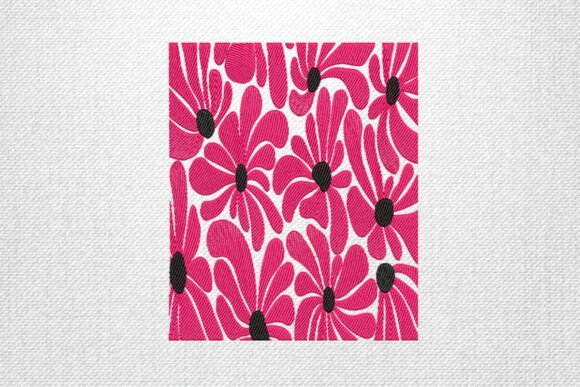
As an embroidery designer who has spent years digitizing files for small businesses, I approach every new machine embroidery design with a critical eye. It is not just about whether the motif looks pretty on a screen; it is about how it performs under the needle, how it translates to a finished product, and whether it serves the brand identity of the client. Recently, I reviewed the Bold Daisy Pattern Machine Embroidery, a piece categorized under Single Flowers that promises a repeating floral motif in vibrant pink with black centers. Here is my professional assessment of its viability for commercial use.
First Impressions and Visual Personality
The immediate visual impact of this design is striking. The combination of vibrant pink and stark black centers creates a high-contrast aesthetic that feels both playful and modern. Unlike delicate, vintage-style florals that can sometimes get lost in translation, this bold daisy pattern commands attention. It strikes a balance between friendly and professional, making it suitable for brands that want to appear approachable yet polished. The repeating nature of the motif suggests movement and energy, which is ideal for lifestyle brands, creative studios, or boutique retailers looking to inject personality into their merchandise.
From a design perspective, the simplicity of the daisy shape ensures clarity. Complex gradients are difficult to achieve in embroidery, so relying on solid blocks of color like pink and black is a smart choice. This ensures the design remains legible even from a distance, a crucial factor for branded apparel and signage.
Performance in Real Business Applications
For small business owners, the versatility of an embroidery file is paramount. I evaluated how this specific design would perform across various common commercial applications.
- Apron Embroidery: For bakeries, florists, or craft workshops, this design works exceptionally well on aprons. The bold colors stand out against white, denim, or khaki fabrics, turning staff uniforms into walking advertisements. The floral theme aligns perfectly with industries focused on growth, beauty, and handmade goods.
- Tote Bag Design: Canvas tote bags are a staple for eco-friendly brands and retail shops. The repeating motif covers surface area effectively without looking cluttered. The sturdy nature of canvas supports the stitch density required for such a bold pattern, ensuring durability through repeated washing and heavy use.
- Embroidered Patches: This design is a strong candidate for iron-on or sew-on patches. Patches allow businesses to add branding to existing inventory, such as jackets or caps, without committing to full garment embroidery. The distinct black centers provide a clear boundary, making the patch shape easy to define and cut.
- Cap Embroidery: While possible, placing a repeating pattern on a curved cap front requires careful scaling. I recommend using a single instance of the daisy rather than the full repeat for headwear to maintain proportion and avoid distortion.
Strategic Considerations for Production
While the design is visually appealing, there are technical constraints that every embroiderer must consider before launching a production run. The success of any commercial embroidery project relies on understanding the interplay between thread, fabric, and machine settings.
Fabric Texture and Stabilizer: The vibrant pink thread will pop on light-colored fabrics but may require an underlay adjustment on darker materials. If you are stitching on textured fabrics like terry cloth or heavy denim, ensure you use a cut-away stabilizer to prevent puckering. The weight of the stitches in a bold pattern can pull lightweight fabrics if not properly supported.
Stitch Density and Scale: One must be cautious with size. If scaled down too small for a tiny label or chest logo, the details of the black centers might merge with the pink petals, losing definition. Always test the design at the intended size. Conversely, if scaled up significantly for a large back print, ensure the stitch density is not too high, which could cause fabric stiffness or thread breaks.
Thread Color Contrast: The specified pink and black combination is high-contrast, which is generally good for visibility. However, if your brand colors differ, you must test alternative thread colors. Not all pink threads have the same vibrancy, and some may appear muddy when paired with black. Always run a test stitch-out on your specific machine to verify color accuracy.
Enhancing Brand Identity and Customer Trust
In the world of small business merch, consistency is key to building trust. Using a distinctive design like the Bold Daisy Pattern Machine Embroidery helps create a cohesive visual language. When customers see the same high-quality embroidered motif on a tote bag, an apron, and a product tag, it reinforces brand recognition. It signals professionalism and attention to detail, elevating the perceived value of the handmade product.
Moreover, embroidered items have a tactile quality that printed graphics lack. The raised texture of the stitches adds a premium feel, encouraging customer engagement. For Etsy sellers and crafters, offering embroidered accessories alongside primary products can increase average order value and differentiate the brand from competitors who rely solely on printed materials.
Practical Designer Notes for Implementation
Before integrating this design into your workflow, follow these practical steps to ensure optimal results:
- Test in Black and White: Before committing to colored thread, stitch the design in black thread on white fabric. This helps you evaluate the clarity of the outlines and the spacing between elements without the distraction of color.
- Check Hoop Size Compatibility: Verify that the design fits within your machine’s maximum hoop size. If the repeating pattern is large, you may need a multi-position hoop or a larger industrial machine.
- Create a Printable Mockup: Use digital tools to place the design on photos of your actual products. This helps visualize the scale and placement before stitching, saving time and material costs.
- Confirm Commercial Licensing: Always review the license terms associated with the digital embroidery file. Ensure you have the rights to use the design for physical goods sold for profit. Do not assume all files come with commercial use rights.
- Inspect Spacing and Registration: Check the digitizing quality. Are the jumps between colors minimized? Is the underlay sufficient? Poorly digitized files can lead to excessive thread waste and machine downtime.
In conclusion, the Bold Daisy Pattern Machine Embroidery is a versatile asset for businesses seeking to add a touch of vibrant professionalism to their merchandise. By respecting the technical requirements of embroidery and strategically applying the design to appropriate products like aprons, totes, and patches, small business owners can enhance their brand identity and deliver high-quality, tangible value to their customers. Always prioritize testing and proper stabilization to ensure every stitch reflects the quality your brand stands for.